

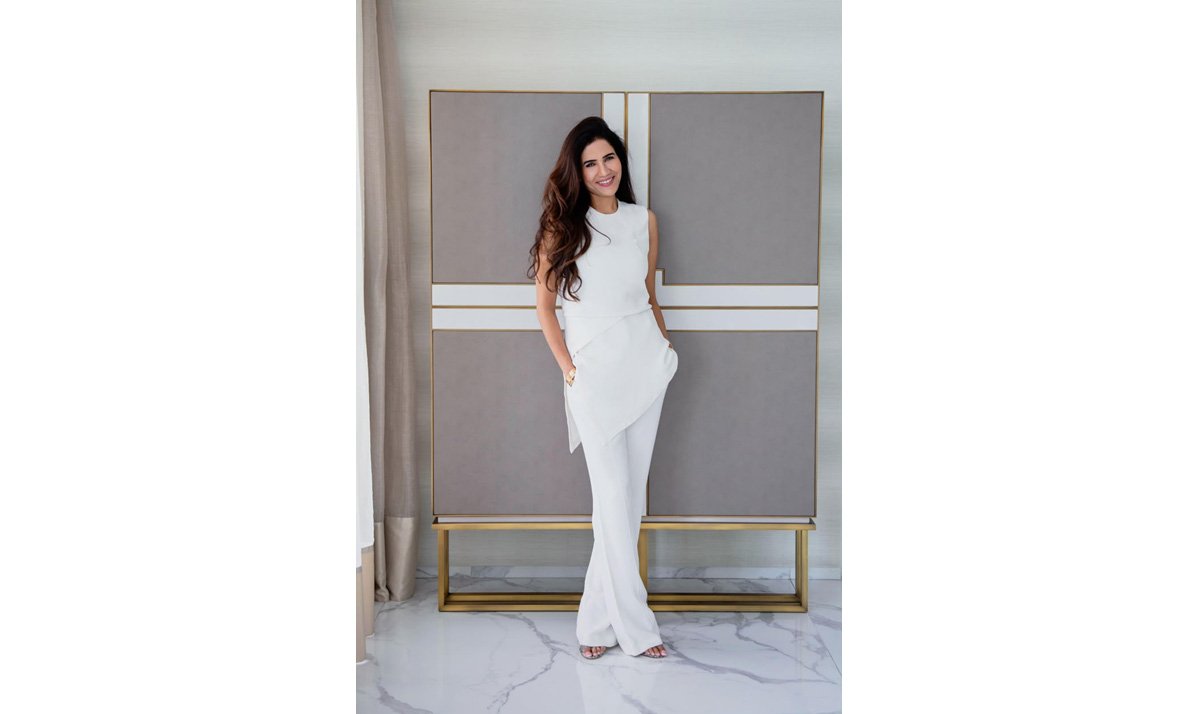
In an industry where trends change with every season, Pallavi Puri believes true style should never go out of fashion. For the Founder & Designer of the label Pallavi Puri, fashion is not simply about what is trending, but about creating an enduring connection between craftsmanship, individuality and the woman wearing it. A NIFT alumna with a deep-rooted love for design, Pallavi has built a creative vocabulary that brings India’s rich heritage into conversation with contemporary silhouettes and global influences.
From traditional craftsmanship and artisanal techniques to modern cuts, colours and evolving ideas of luxury, her work reflects a careful balance between the old and the new. Her collections celebrate the richness of Indian design while speaking to the aspirations and lifestyles of today’s woman. In an exclusive interview, Pallavi Puri opens up about her design philosophy, the changing face of luxury, the global potential of Indian fashion and why staying rooted may be the key to standing out in a rapidly evolving industry.


1. You have built your fashion journey between Delhi and Dubai. How have these two cities influenced your creative identity?
Delhi is where my design journey truly took root. It keeps me connected to India’s rich textile traditions, craftsmanship and the incredible stories that exist within our heritage. Dubai, on the other hand, has given me exposure to a very global, multicultural and fast-evolving fashion environment. Living between the two has allowed me to bring these perspectives together. I don’t see them as separate influences; they complement each other and have helped me develop a design language that is rooted in India but speaks to women across cultures.
2. Your designs bring together Indian craftsmanship and Emirati influences. How do you create this cultural balance without compromising the authenticity of either?
For me, it starts with respect for the source. I don’t believe in simply taking an element from one culture and placing it into another. I look at the essence of each—its craftsmanship, proportions, colours, detailing and the way women actually wear the clothes. The result is an interpretation rather than a replication. Indian craftsmanship remains central to my work, while my exposure to Emirati aesthetics brings in a different understanding of elegance, scale and contemporary dressing.
3. What does the idea of an “Indian luxury without borders” mean to you?
It means that Indian fashion should not have to change its identity to travel globally. Our craftsmanship, textiles, techniques and design heritage are incredibly rich, and there is no reason they cannot exist naturally in a global wardrobe. For me, Indian luxury without borders is about evolution rather than Westernisation. It is about creating pieces that retain their Indian soul while fitting seamlessly into the lifestyle of a woman who may live, travel and work across different parts of the world.
4. As an Indian designer with a strong presence in the Middle East, what differences do you observe in how women in India and the UAE approach fashion and luxury?
There are certainly differences in occasions, styling and cultural preferences, but I also see many similarities. Women everywhere want to feel confident, comfortable and authentic in what they wear. The Middle Eastern woman often appreciates statement-making luxury and intricate detailing, while Indian women have a very deep emotional connection with craftsmanship, colour and occasion dressing. What is interesting today is how much these preferences are beginning to overlap. Women are increasingly looking for versatility rather than clothes that belong to only one occasion.
5. With Dubai Fashion Week on the horizon, what are you hoping to communicate about Indian fashion to a global audience?
I want to show that Indian fashion can be deeply rooted and contemporary at the same time. Our heritage is not something that belongs only in the past. It can be interpreted through modern silhouettes, new techniques and a global perspective while retaining its authenticity. Dubai is an incredibly international fashion platform, and I would love for the audience to experience Indian craftsmanship not just as something beautiful, but as something relevant to the modern global woman.